What Is an Investment Risk Profile?
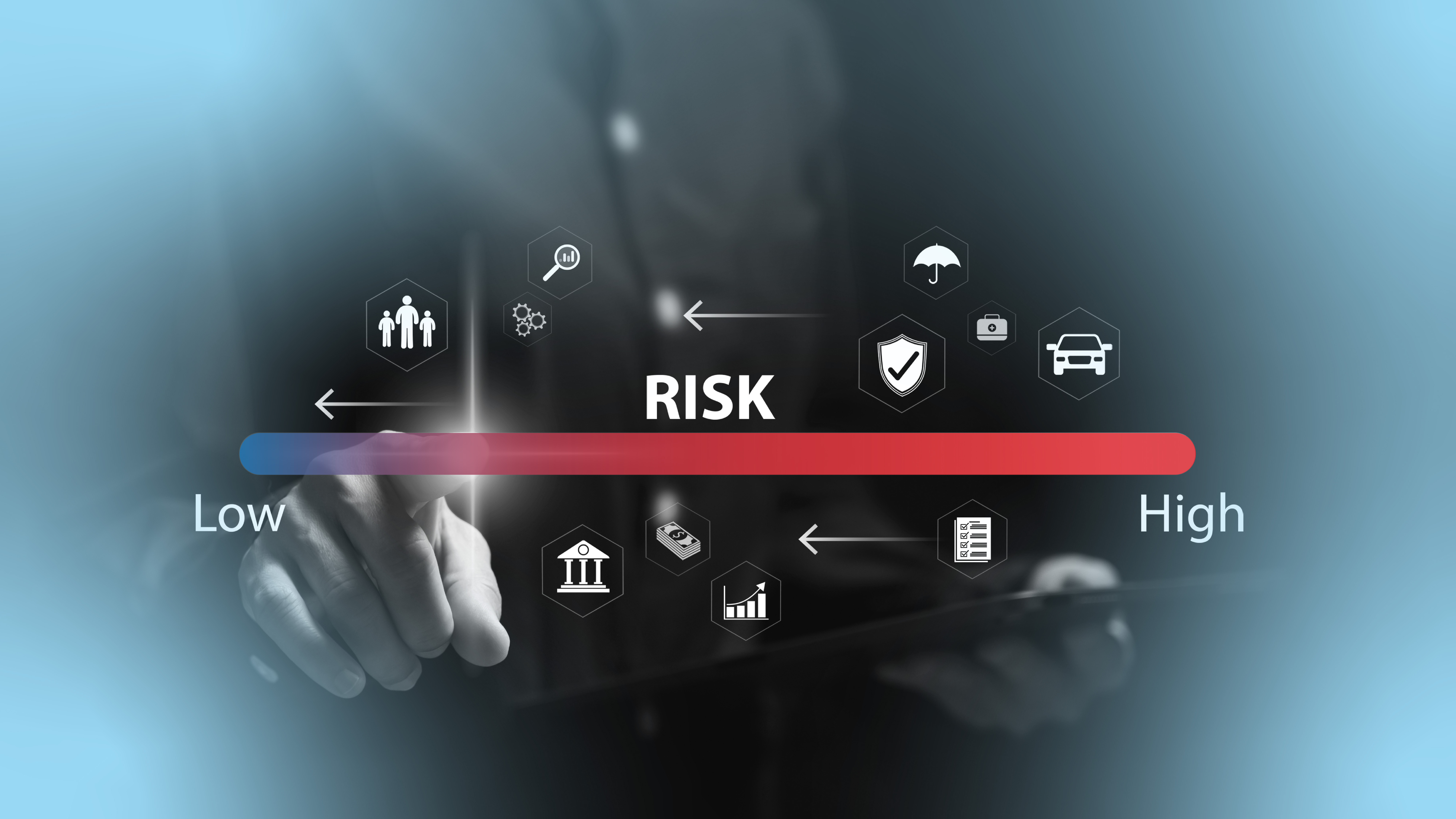
Your investment risk profile is a snapshot of two things: your willingness to take risk (risk tolerance) and your ability to absorb losses without derailing your finances (risk capacity).
How Does Your Risk Profile Impact Investment Decisions?
A well-defined investment risk profile shapes portfolio construction, from the mix of growth assets to the role of defensive holdings. It can determine how much volatility you accept, what drawdowns you can live with, and which instruments are appropriate for you.
Why Should NRIs Consider a Risk Profile Before Investing?
For NRIs, cross-border goals, currency exposure, and varying tax regimes add complexity. Clarifying your investment risk profile first helps you choose structures and currencies that suit your liquidity needs, time horizon, and comfort with market swings.
Types of Investment Risk Profiles
It is important to understand that every investor falls into a specific category based on their risk tolerance and expected returns. These categories, known as investment risk profiles, help match financial goals with suitable asset mixes.
Conservative Risk Profile: Low-Risk Investments
A conservative investment risk profile prioritises capital preservation and lower volatility. Typical allocations tilt to high-quality fixed income, short-term debt, and capital-protected or guaranteed solutions, accepting modest returns in exchange for stability.
Moderate Risk Profile: Balanced Investment Approach
A moderate investment risk profile balances growth with downside control. Portfolios are often split between equities and bonds, using diversification and periodic rebalancing to manage risk. Investors seek steadier compounding and are prepared to tolerate medium swings in pursuit of long-term goals.
Aggressive Risk Profile: High-Risk, High-Return Investments
An aggressive investment risk profile prioritises higher expected returns and accepts significant volatility. These investors lean into equities and other growth assets, understanding that larger drawdowns are possible along the way.
Factors Affecting Your Risk Profile
Your investment risk profile is not fixed. It evolves with changes in your personal and financial life. Several factors determine how much risk you can afford to take and how much you are comfortable taking. By understanding these factors, you can make more informed decisions.
Age, Income, and Financial Goals
Risk capacity generally rises with stable income, emergency buffers, and longer horizons, while near-term goals and fixed obligations reduce it. Your life stage and dependants shape how much loss you can withstand without jeopardising priorities such as education or retirement.
Investment Horizon and Liquidity Needs
The longer your horizon, the more time you have to recover from volatility, which often supports a higher-risk allocation. Conversely, short horizons and immediate cash needs argue for lower-risk, liquid instruments.
Past Investment Experience and Risk Tolerance
Experience can stabilize behavior during drawdowns, while first-time investors may find volatility unsettling. It helps distinguish risk tolerance (psychological comfort) from risk capacity (financial ability to bear losses), and calibrate your investment risk profile accordingly.
How to Determine Your Risk Profile in Investment?
Every investor’s ability and comfort level with risk vary due to personal and financial circumstances. These differences arise from several key factors that influence how much uncertainty one can handle while pursuing financial goals.
Risk Assessment Questionnaires and Tools
Structured questionnaires translate your answers (time horizon, goals, drawdown comfort, experience, etc.) into a suggested mix of growth and defensive assets. These tools do not offer guarantees. They are a practical starting point for understanding your investment risk profile and refining it with an adviser.
Analysing Personal Goals and Investment Horizon
List your goals by currency, amount, and timing. Map each goal to a horizon band (near-term, medium-term, long-term) and assign an indicative risk budget. This exercise ensures your investment risk profile isn’t abstract but that each allocation relates to a real outcome you care about.
Balancing Risk With Potential Returns
Risk and return travel together. Use your investment risk profile to choose an allocation with return potential that matches your goals, then implement risk controls to stay on course. Remember that statistical measures such as beta are backward-looking and should be combined with qualitative judgment.
HDFC Life International’s Approach to Investment Risk for NRIs
HDFC Life International begins by understanding your investment risk profile, enabling you to evaluate which solutions align with your financial preferences and long-term goals. As part of this approach, we ensure transparency around product features and the available fund options so you can make informed choices. For individuals looking to add USD exposure to their global financial planning, HDFC Life International offers USD-denominated investment-linked insurance plans. These plans provide access to USD-based funds, allowing clients to incorporate international currency exposure within their portfolios with performance linked to broader market and currency conditions.